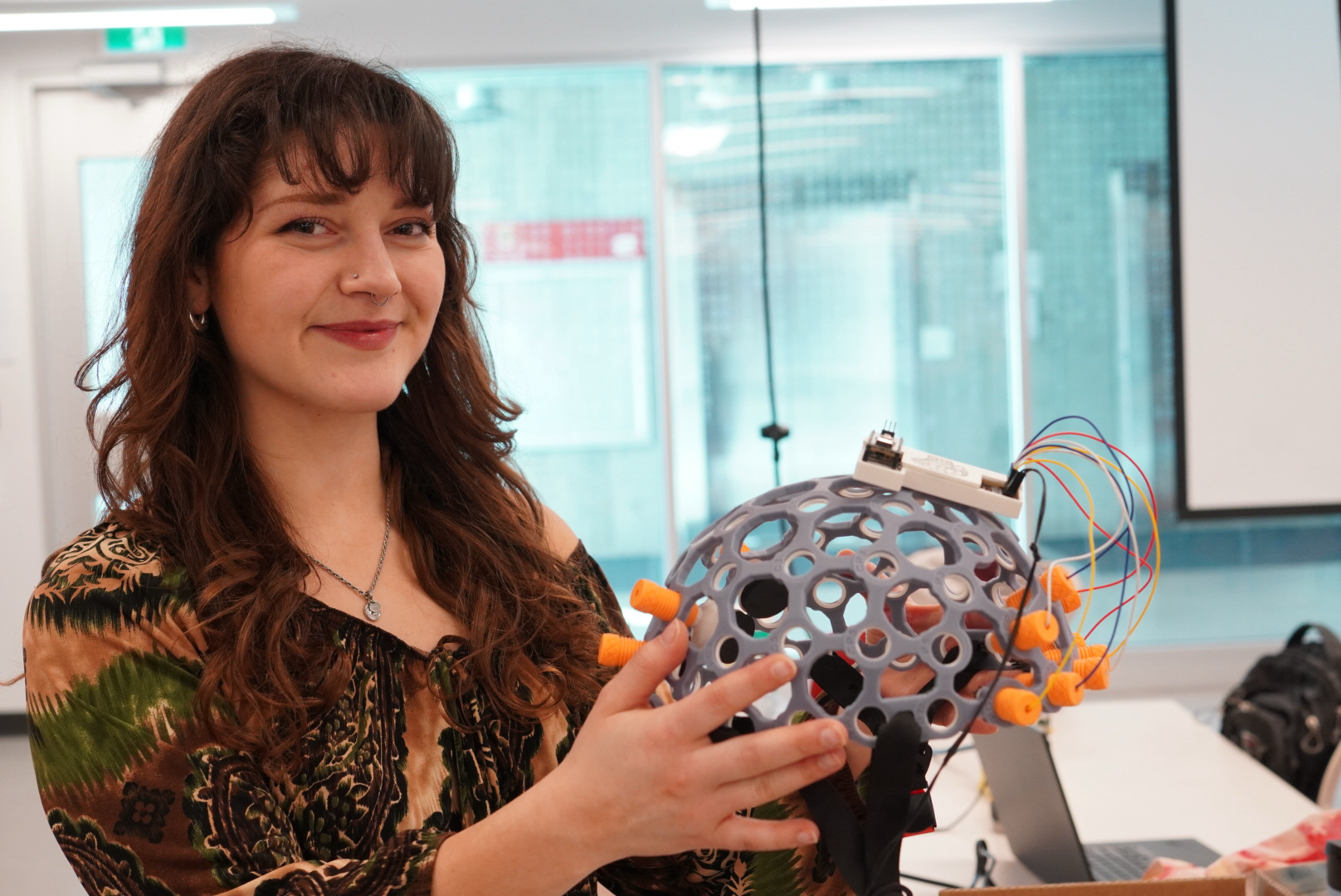
Eli Kinney-Lang launched the BCI (brain-computer interface) Jam series in 2019 as a hobby — a way to help children play video games regardless of any challenges they face.
“I started working at the children’s hospital and the No. 1 thing requested by all of the kids was to play games,” said Kinney-Lang, who took inspiration from his wife — a kindergarten teacher who works with children who have autism spectrum disorder (ASD).
BCI uses patterns or electric activity in the brain to control the computer. Sixty-six per cent of gamers with disabilities say they face barriers or issues related to gaming, according to a study conducted by the United Kingdom charity, Scope.
Over time, the BCI Jam grew into something Kinney-Lang never thought possible.
“For a long-time video games were seen as not serious or important,” says Kinney-Lang, an assistant professor in biomedical engineering at the University of Calgary. “But they’re such a fundamentally great place for people to explore being different identities, to explore being able to interact in new ways — to really explore and understand themselves.”
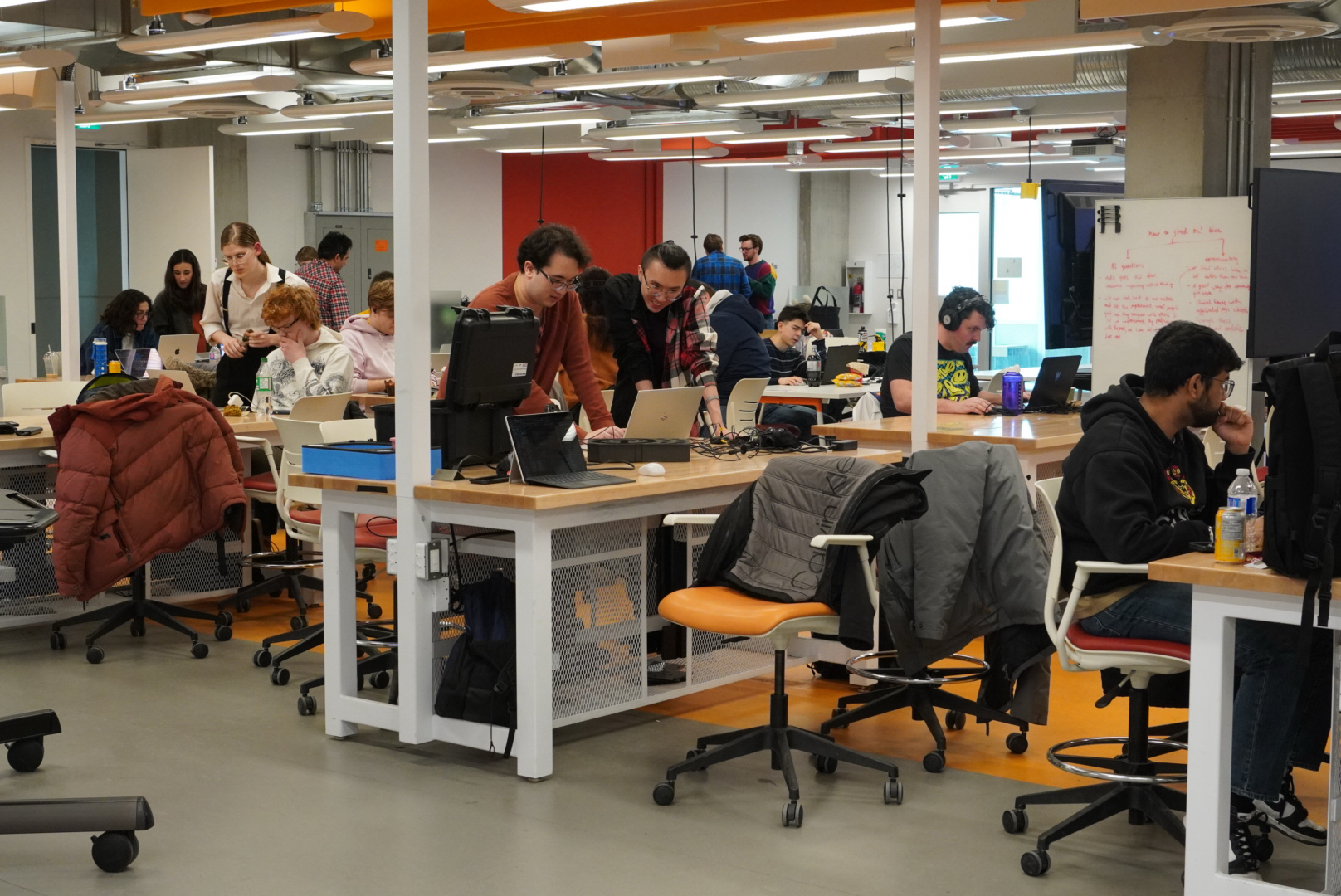
The BCI Game Jam 2026 took place from Feb. 27 to March 7 at the University of Calgary. This year, 81 developers from across Canada, the U.S., Italy and the United Kingdom took part in person or online.
They came together to create new games and experiences that are accessible to most everyone.
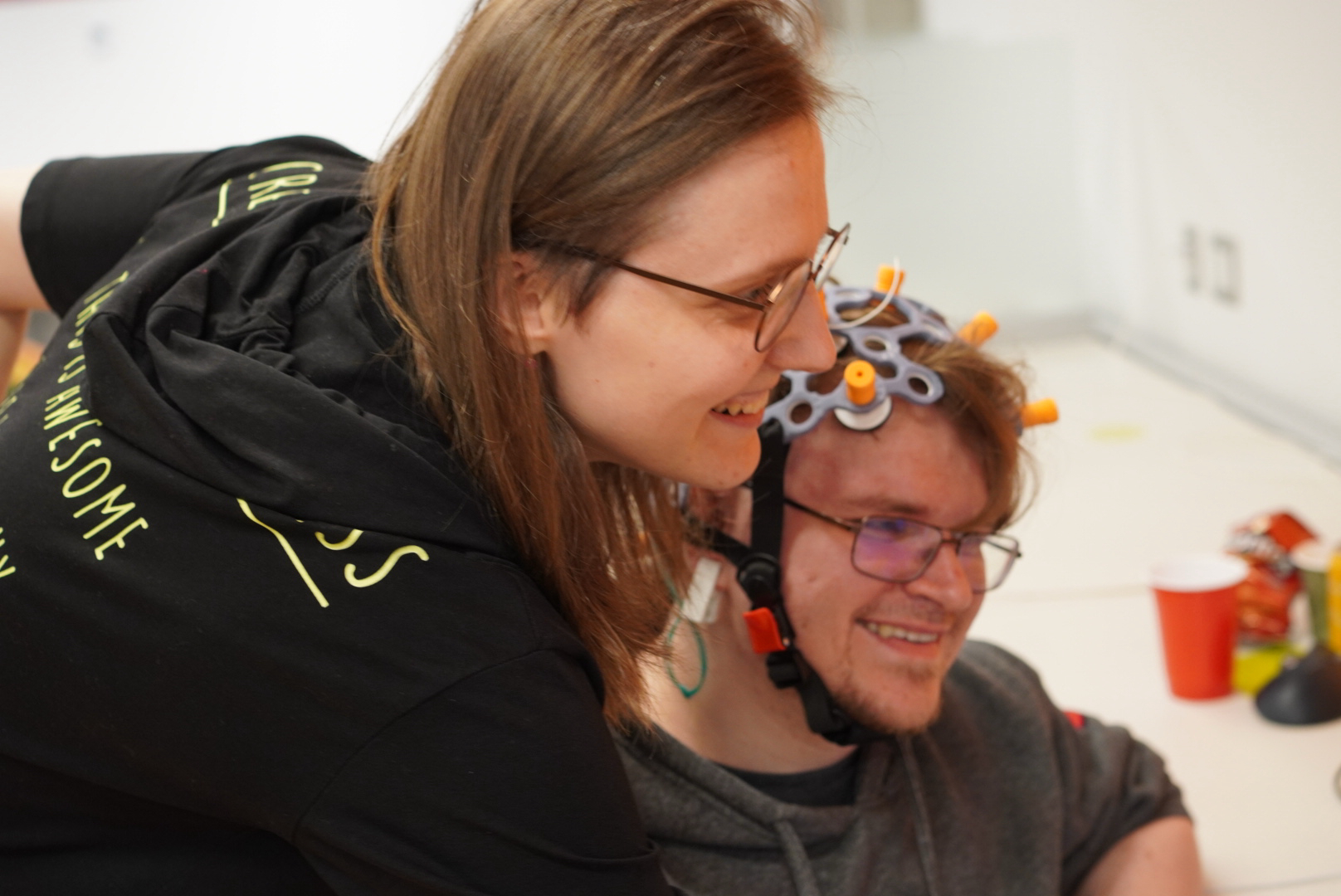
The games are judged by a panel of BCI experts but most importantly, children, families and other gamers who use BCI regularly for play and entertainment.
Participants compete for prizes worth more than $4,000 in cash, experiences and computer hardware.
“We had no clue if people would show up or not but people did which was great,” Kinney-Lang said. “I’m always excited anytime people show up. I always get worried no one’s going to.”
Teams participating virtually are sent a headset and, thanks to partnerships with local companies, these teams have access to local tech support.
The headsets provided have little sensors. These sensors are placed on the scalp, sometimes attached with gel, and read the brain’s electric activity.
Through coding, they connect to visuals on the screen.
Dani Jourdain and her team developed a tower defence style game designed for endless play — or at least as long the gamer likes. Other games include eye tracing as a control mechanism, along with brain activity.
“I’ve been able to see firsthand these kids using this technology,” Jourdain says. “Something really important is play for kids.”